
Tax Insights
 S-SolutionEditorial team
26/09/2026
2 min read
S-SolutionEditorial team
26/09/2026
2 min read
5 common tax risks for small businesses and how to avoid them
Most tax risks do not come from intentional wrongdoing but from loose habits in managing documents and keeping up with regulations.
S-SolutionEditorial team
26/09/2026
2 min read
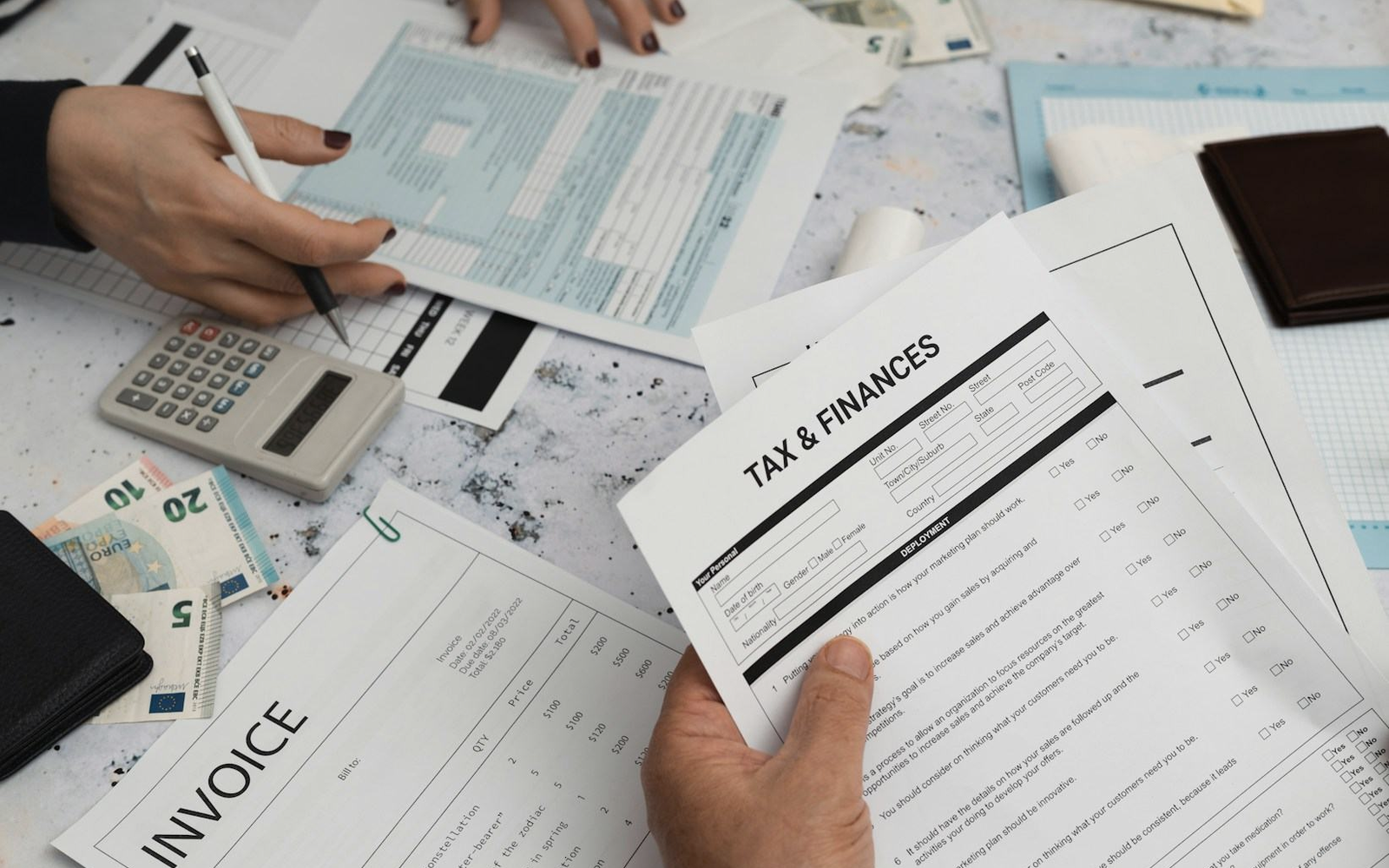
For small businesses and household businesses, tax risks rarely come from intentional wrongdoing. They usually stem from small habits in managing documents and from not keeping pace with regulatory changes. Here are five points to watch.
1. Incomplete or invalid documents
Invoices with missing information, payment records that do not match invoices, or scattered filing make expenses hard to justify at tax finalisation. Standardise how documents are received, checked and stored from the start.
2. Late or incorrect filing
Filing and payment schedules are easy to miss when the business is busy. A clear reminder calendar and a named person in charge help avoid unnecessary penalties.
3. Expenses without supporting records
A reasonable business expense still needs supporting records such as contracts, minutes and payment documents. Missing records are a common reason for expenses being disallowed.
4. Not keeping up with new policies
Tax and financial regulations change frequently. Businesses should have a reliable source of updates and review how rules are applied whenever changes occur.
5. No periodic review
Regular tax risk assessments help catch errors early, before they become major issues when working with the tax authorities.
S-Solution provides regular tax risk assessments and strategic tax planning, acting as a trusted shield for businesses before the tax authorities.
This article is general guidance. For specific cases, please consult an expert for advice under current regulations.
Does your business need a tailored solution?
Get 1:1 advice
Talk directly with an S-Solution expert for advice that fits your business model.